
round mirror with led lights
Understanding the Cylinder Bore Gauge An Essential Tool for Precision Engine Measurement In the world of engine mechanics, precision and accuracy are paramount. Whether you’re a professional mechanic or a dedicated hobbyist, having the right tools at your disposal can significantly influence the quality of your work. Among these tools, the cylinder bore gauge stands out as a critical instrument for measuring the internal diameter of engine cylinders. Understanding how to use this tool effectively can lead to improved performance and longevity of engines. What is a Cylinder Bore Gauge? A cylinder bore gauge is a specialized tool designed for measuring the bore size of cylinder engines. The bore refers to the internal diameter of the engine cylinder, which directly impacts the engine's displacement, power, and efficiency. A proper measurement of the bore size is essential when performing tasks such as cylinder reconditioning, honing, or when assessing engine wear over time. Typically, a cylinder bore gauge consists of a depth gauge and a set of interchangeable probes that can be adjusted to accommodate different cylinder sizes. The most advanced models may also include dial indicators to provide precise readings. Importance of Accuracy in Measurements Accurate measurements of the cylinder bore are crucial for several reasons. Over time, engine cylinders may become worn due to friction and thermal cycling. This wear can lead to increased clearances, which in turn can create a loss of compression, reduced efficiency, and increased oil consumption. Thus, employing a cylinder bore gauge to assess the condition of the cylinders allows mechanics to determine whether they need to be honed or replaced. Additionally, when rebuilding an engine, achieving the correct bore measurements is vital for fitting piston rings and ensuring they create the necessary seal for optimal performance. An incorrect bore size can lead to severe engine problems, including poor combustion and increased emissions. How to Use a Cylinder Bore Gauge Using a cylinder bore gauge requires a systematic approach cylinder bore gauge 1. Preparation Before taking measurements, ensure that the engine is clean and free of debris. Remove any cosset rings and carbon deposits from the cylinder walls. 2. Selecting the right probe Depending on the cylinder size, choose an appropriate probe. The probe should be slightly larger than the maximum expected bore size. 3. Inserting the gauge Insert the cylinder bore gauge into the cylinder. Expand the probe until it makes contact with the cylinder walls. It’s important to do this carefully to avoid scratching the surface. 4. Taking the measurement Once the gauge is properly positioned, you will need to read the dial indicator. Make sure to take measurements at various heights within the cylinder, as wear can be uneven. 5. Recording and analyzing data Gather all measurements and analyze them to determine whether the cylinder is within acceptable limits or if machining procedures are necessary. Maintenance and Calibration To ensure long-lasting accuracy, it is essential to maintain and calibrate your cylinder bore gauge regularly. Dirt and oil residues can affect the gauge’s functionality. Proper cleaning and storage will prolong its life and reliability. Conclusion The cylinder bore gauge is an indispensable tool for anyone involved in engine building or maintenance. By providing essential measurements of cylinder diameter, it enables mechanics to make informed decisions about maintenance and rebuilds. Mastering the use of this gauge not only enhances the quality of engine repairs but also contributes to the overall performance and durability of the engine. Therefore, investing time to understand and appropriately implement this tool is well worth the effort for both amateurs and professionals in the automotive field.
about
round mirror with led lights
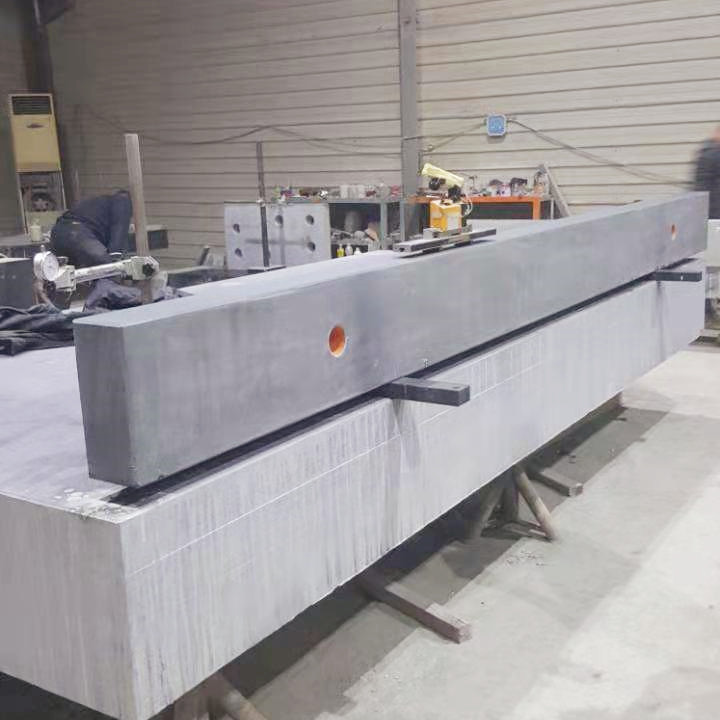
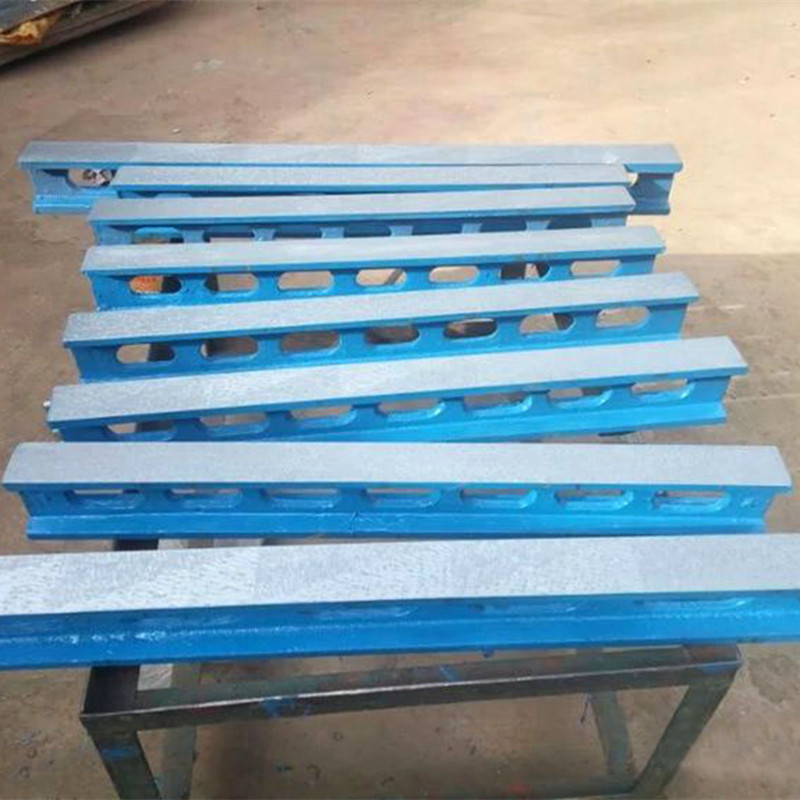
An inspection surface plate is a precision tool used in various industries for accurate measurements and inspections of mechanical components. It is typically made of granite or steel and has a flat surface with a high degree of flatness and parallelism. The surface plate is an essential tool in quality control processes, ensuring that parts are manufactured to the desired specifications. The primary purpose of an inspection surface plate is to provide a reference surface for measurements and inspections. The flatness and parallelism of the surface plate allow for precise measurements to be taken, ensuring that parts are within the specified tolerances. This is crucial for ensuring the quality and functionality of the final product. In addition to providing a reference surface for measurements, the inspection surface plate also serves as a stable and sturdy platform for conducting inspections. It is often used in conjunction with precision measuring instruments such as height gauges, dial indicators, and micrometers to ensure the accuracy of the measurements taken. The surface plate provides a reliable and repeatable surface for performing these measurements, ensuring consistent results. There are several factors to consider when choosing an inspection surface plate, including the material, size, and accuracy requirements. Granite surface plates are preferred for their stability, durability, and resistance to wear and tear. Steel surface plates are another option, known for their high precision and smooth surface finish Steel surface plates are another option, known for their high precision and smooth surface finish Steel surface plates are another option, known for their high precision and smooth surface finish Steel surface plates are another option, known for their high precision and smooth surface finish inspection surface plate . The size of the surface plate should be chosen based on the size of the parts being inspected and the space available in the inspection area. Accuracy requirements will vary depending on the specific measurements being taken, with higher precision plates required for more critical measurements. Proper care and maintenance of an inspection surface plate are essential to ensure its accuracy and longevity. The surface plate should be kept clean and free of any debris that could affect the measurements. Regular calibration and verification checks should be performed to ensure the accuracy of the surface plate. Additionally, the surface plate should be stored in a stable and temperature-controlled environment to prevent warping or distortion. In conclusion, an inspection surface plate is a vital tool in the quality control process for ensuring the accuracy and precision of mechanical components. It provides a stable and reliable reference surface for measurements and inspections, helping to maintain the quality and functionality of the final product. By choosing the right surface plate and properly maintaining it, companies can ensure the accuracy and reliability of their measurements, ultimately leading to improved product quality and customer satisfaction.
-

High quality industrial productsagement

High quality industrial products
View Details -

Meet the diverse needs of customers

Meet the diverse needs of customers
View Details -

Strict quality control

Strict quality control
View Details -

Top raw materials

Top raw materials
View Details -

Trusted supplier

Trusted supplier
View Details
Our application

news and information
water valve gate
Understanding Water Valve Gates Their Functionality and Importance Water management is critical in v
Valve Solutions for Industrial Applications _ Precision Engineering & Innovation
The Evolution of Valve Technology in Modern Industries In recent years, valve technology has become
Wholesale Options for High-Quality Ball Valves in Various Sizes and Materials
The Growing Market for Ball Valve Wholesale Trends and Insights In the world of plumbing and industr
 English